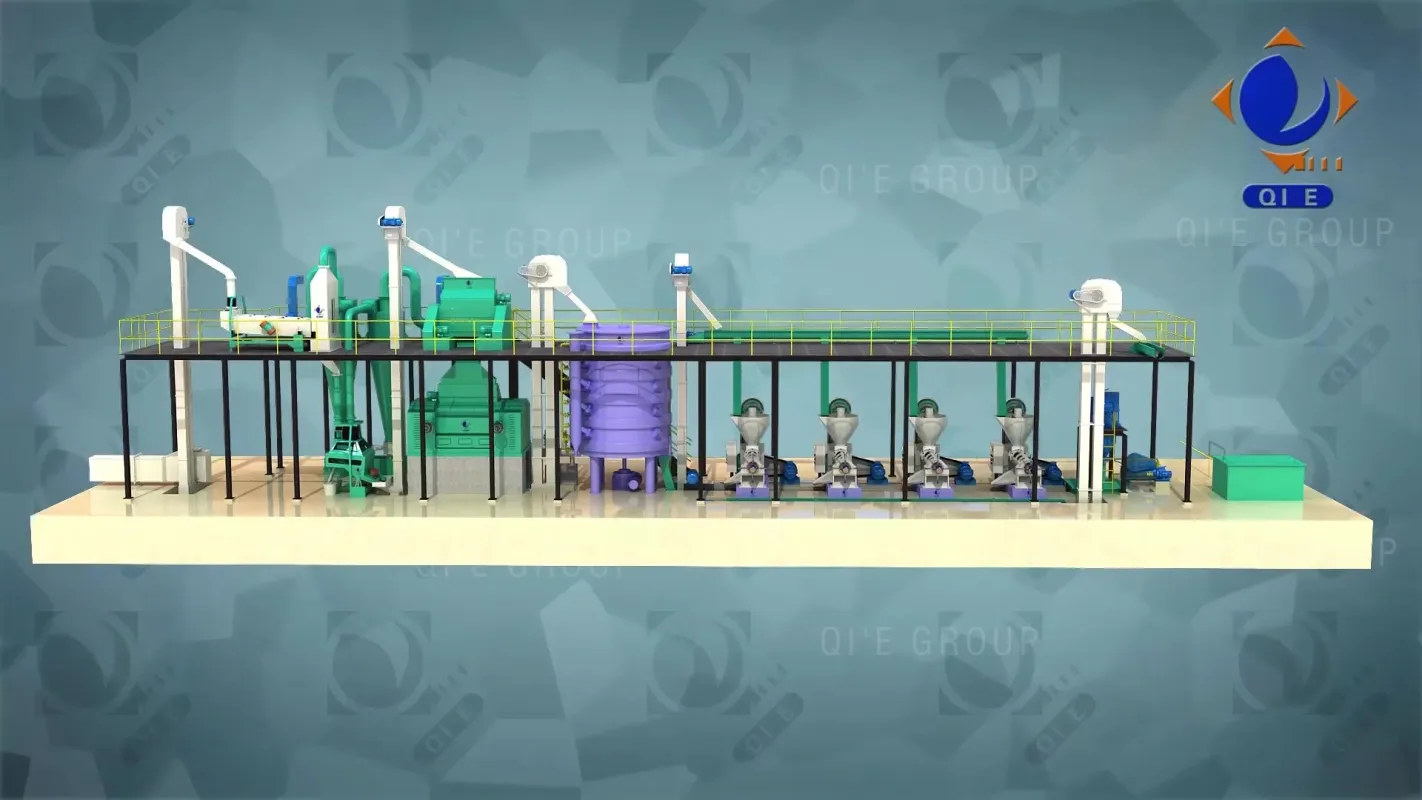
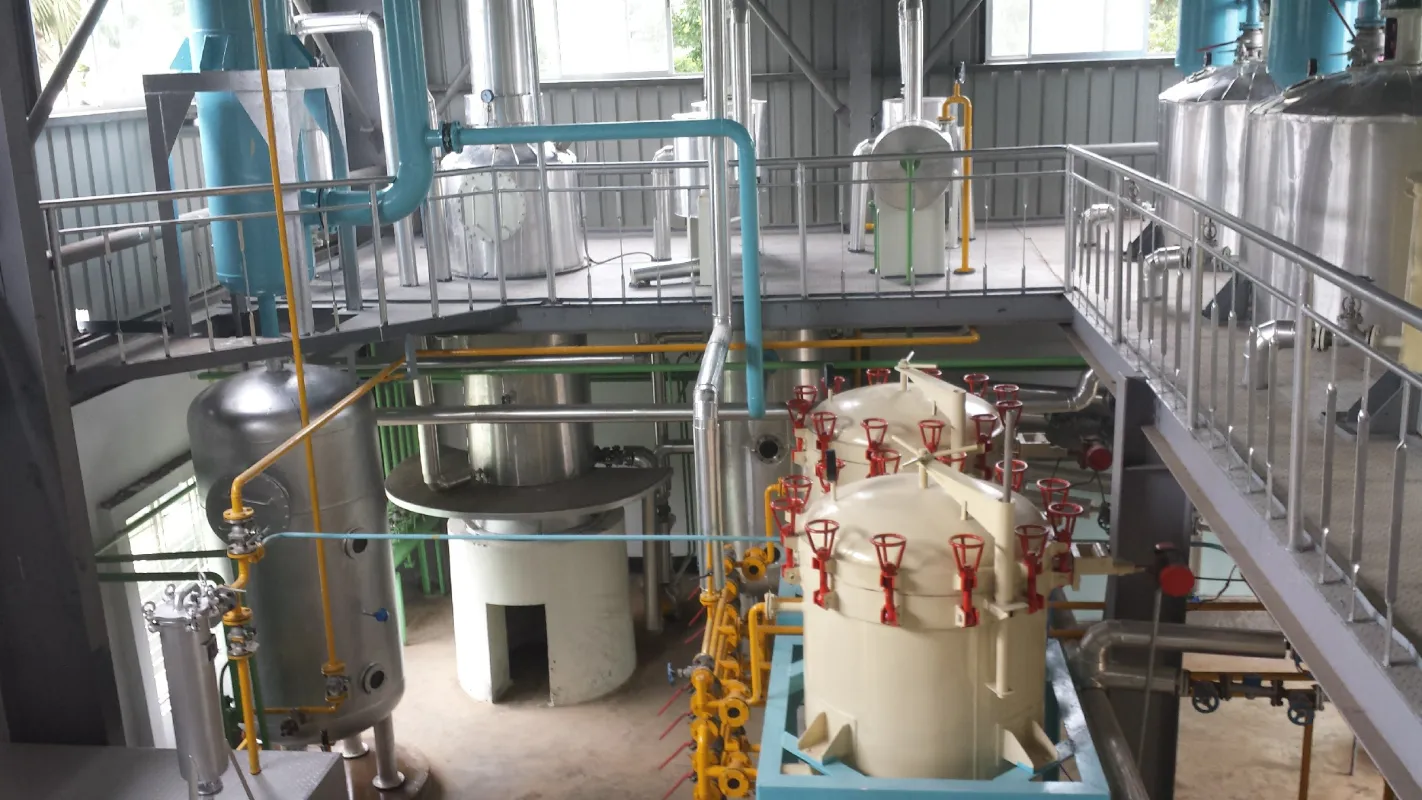
In the competitive landscape of edible oil production, sunflower oil manufacturers face the constant challenge of balancing yield, quality, and operational costs. One often underestimated factor that significantly impacts all three aspects is the efficiency of the seed cleaning process. Industry studies show that inadequate cleaning can result in 3-5% lower oil yield and increase equipment maintenance costs by up to 20% due to premature wear. This comprehensive guide explores how integrating magnetic separation, air separation, and gravity separation technologies can transform your production outcomes.
Foreign materials in sunflower seeds – including metal fragments, stones, dirt clods, and plant debris – create a cascade of production issues:
Magnetic separators are the first line of defense in seed cleaning, efficiently removing ferrous contaminants that can cause catastrophic damage to downstream equipment. These systems typically utilize high-intensity rare earth magnets capable of capturing even fine iron particles as small as 0.1mm.
Key performance indicators include magnetic field strength (measured in gauss), throughput capacity, and separation efficiency. Modern systems achieve 99.9% removal efficiency for ferrous particles, protecting critical processing equipment from costly damage.
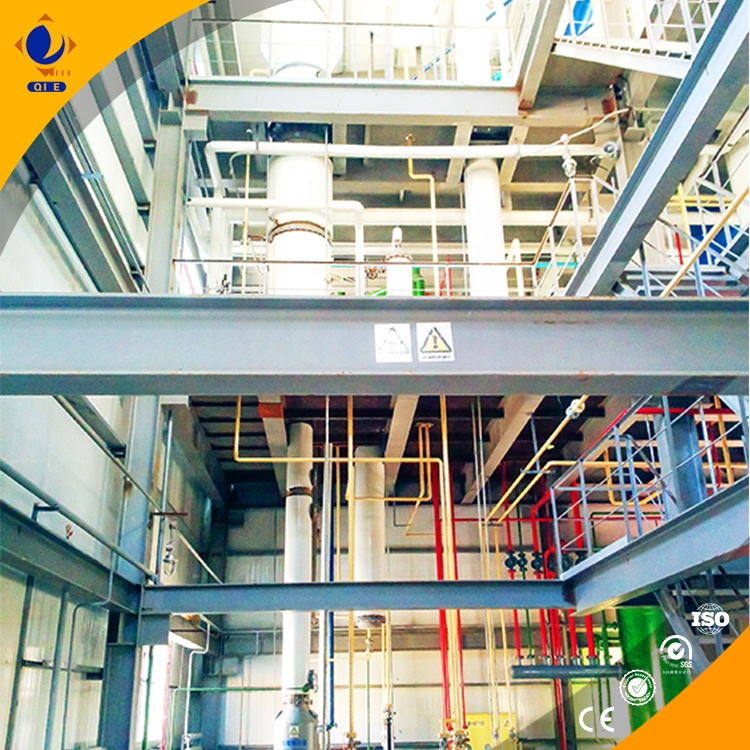
Air separation systems utilize controlled airflows to separate lighter impurities from sunflower seeds based on density differences. By adjusting air velocity, temperature, and humidity parameters, operators can effectively remove chaff, dust, and lighter organic materials.
Optimal air separation requires precise control of air velocity between 12-18 m/s for sunflower seeds, depending on seed moisture content (ideally 8-10% for optimal separation). Properly configured systems can reduce light impurity content to less than 0.1%.
Gravity separators work on the principle of density differences between seeds and heavier impurities like stones, glass, and soil clods. These sophisticated systems use vibrating decks and controlled air flow to create stratified layers, allowing precise separation based on specific gravity.
Modern gravity separators achieve separation accuracies of 99.5% for heavy impurities, with adjustable deck angles (typically 5-15 degrees) and vibration frequencies (280-350 vibrations per minute) to accommodate varying seed conditions.
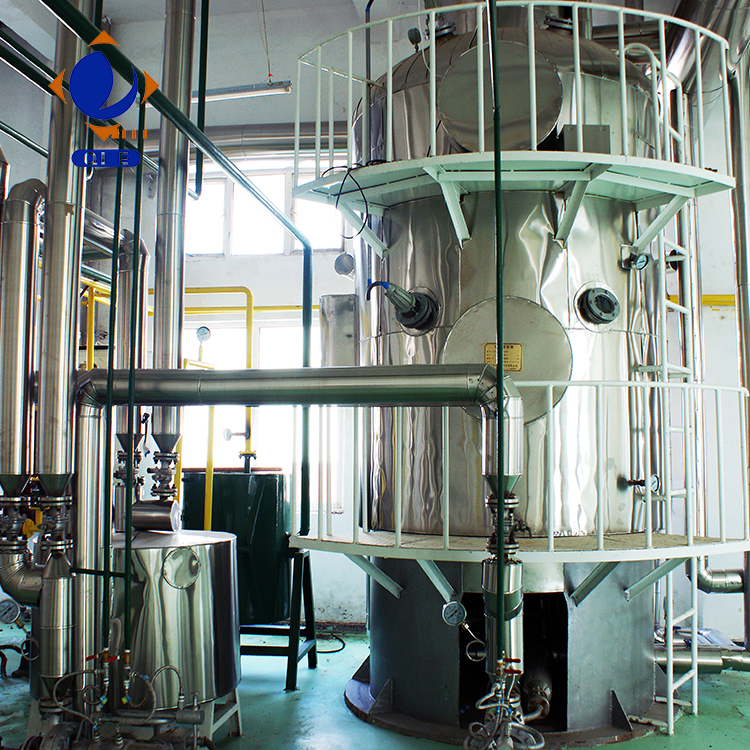
The most effective seed cleaning systems employ a multi-stage approach that progressively removes different types of impurities:
| Cleaning Stage | Equipment Type | Primary Impurities Removed | Typical Efficiency |
|---|---|---|---|
| Pre-Cleaning | Rotary screen, magnets | Large debris, stones, metal | 90-95% |
| Primary Cleaning | Air screen cleaner | Chaff, dust, small stones | 95-98% |
| Precision Cleaning | Gravity separator, indent cylinder | Light/damaged seeds, specific gravity impurities | 98-99.5% |
Challenge: A mid-sized sunflower oil processor in Ukraine was experiencing inconsistent oil yields (ranging from 38-42%) and frequent press maintenance issues.
Solution: After a comprehensive audit, Qie Group implemented a three-stage cleaning system with enhanced magnetic separation, adjustable air flow technology, and precision gravity separation.
Results: Within 60 days of implementation:
Selecting the right cleaning equipment requires careful analysis of your specific conditions:
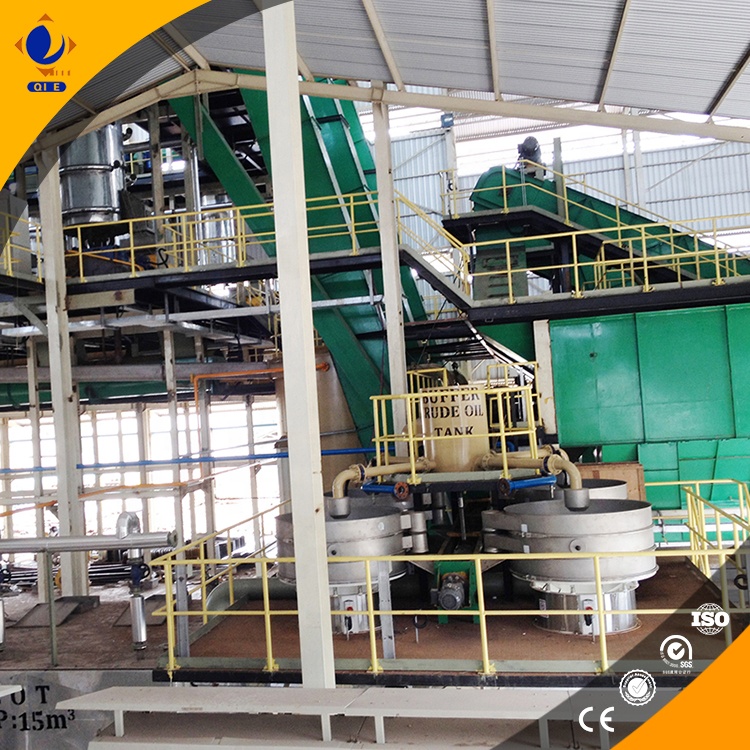
To maintain optimal performance, implement this maintenance routine:
Discover how Qie Group's customized seed cleaning solutions can increase your oil yield by 3-5% while reducing equipment maintenance costs.
Request Your Free Process AnalysisOperators should regularly monitor cleaning efficiency through both visual inspection and laboratory analysis. Key indicators include impurity levels in cleaned seeds (target: <0.1%), seed damage rate (target: <2%), and consistent flow rates. By implementing these advanced cleaning technologies and best practices, sunflower oil producers can achieve significant improvements in both yield and product quality, gaining a competitive edge in the global market.