Did you know? Poor raw material cleaning can increase oil refining costs by up to 35% and reduce equipment lifespan by 20% according to industry studies. Are you overlooking this critical step in your sunflower oil production process?
While most sunflower oil producers focus on extraction efficiency and refining technologies, many underestimate the transformative impact of effective raw material cleaning. This often-overlooked process serves as the first line of defense against quality degradation, equipment damage, and unnecessary production costs. In an industry where profit margins can be as tight as 3-5%, optimizing this foundational step can deliver measurable bottom-line improvements.
China's national standard GB/T 1536 sets clear parameters for sunflower oil production, including specific requirements for impurity control that directly impact final product quality. These standards aren't merely regulatory hurdles but practical guidelines developed through decades of industry experience.
GB/T 1536 Key Requirements: "The content of impurities in sunflower seed shall not exceed 1.0%. The content of damaged seeds shall be controlled below 3.0%, and the moisture content should be maintained between 6.0% and 10.0% for optimal processing."
These seemingly small percentages translate to significant quality differences. A 1% increase in impurity levels can result in a 15% increase in refining losses and a noticeable reduction in oil stability, leading to shorter shelf life and potential customer complaints.
The consequences of cutting corners in raw material cleaning extend far beyond regulatory non-compliance. They directly impact your operational efficiency and profitability:
One size does not fit all when it comes to raw material cleaning. The optimal approach varies significantly based on production volume, available space, and budget constraints:
Manual pre-cleaning combined with basic screening equipment can effectively reduce impurities to acceptable levels. Investing in a magnetic separator becomes cost-effective even at this scale, preventing metal contamination that causes expensive equipment damage.
Integrated cleaning systems with destoners, aspirators, and vibrating screens become essential. These systems typically remove 98.5% of impurities and can be configured to handle varying seed qualities throughout the harvest season.
Automated cleaning lines with computerized sorting and moisture control ensure consistent quality. These systems often incorporate optical sorters that can identify and remove even subtle defects, maintaining impurity levels below 0.5% consistently.
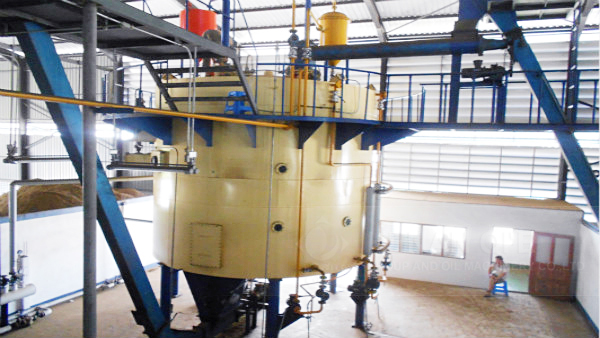
Implementing an effective cleaning protocol requires a systematic approach that addresses each potential contamination source:
Common Pitfall: Are you ignoring moisture control?
Many producers focus exclusively on physical impurities while neglecting moisture content. Seeds with moisture below 6% become brittle and generate excessive dust, while moisture above 10% promotes mold growth and reduces oil quality. Maintaining optimal moisture levels can improve oil yield by 1-1.5%.
A mid-sized sunflower oil producer in Shandong province recently upgraded their cleaning system with integrated screening, destoning, and aspiration equipment. Within three months, they documented:
The investment in proper cleaning equipment paid for itself within 11 months through these combined improvements.
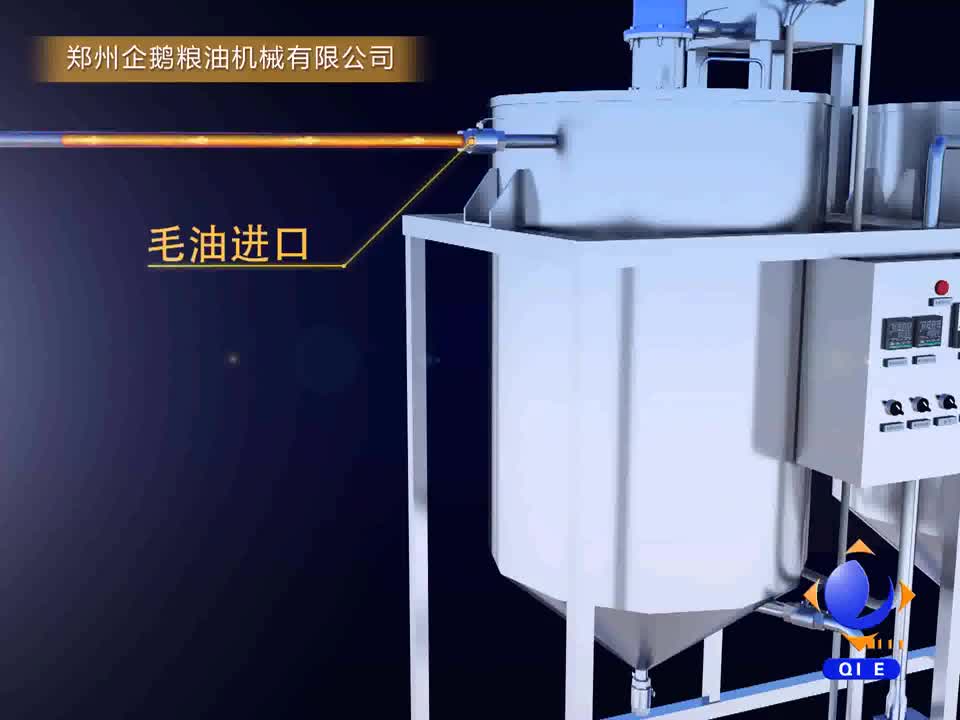
Penguin Group offers tailored cleaning solutions designed to meet GB/T 1536 standards while optimizing your specific production needs. Our equipment integrates seamlessly into existing lines and delivers measurable improvements in yield, quality, and operational costs.
Discover Your Custom Cleaning SolutionAs you evaluate your current production process, consider this: every impurity that enters your processing line represents lost revenue, increased costs, and potential quality issues. In an increasingly competitive market, the difference between industry leaders and followers often lies in how well they execute the fundamentals. Raw material cleaning may not be the most glamorous aspect of sunflower oil production, but it's undoubtedly one of the most impactful.
Whether you're processing 5 tons or 500 tons per day, the principles of effective raw material cleaning remain constant: systematic removal of contaminants, careful control of moisture, and continuous monitoring of results. By prioritizing this critical step, you'll position your operation for greater efficiency, consistency, and profitability in the long term.