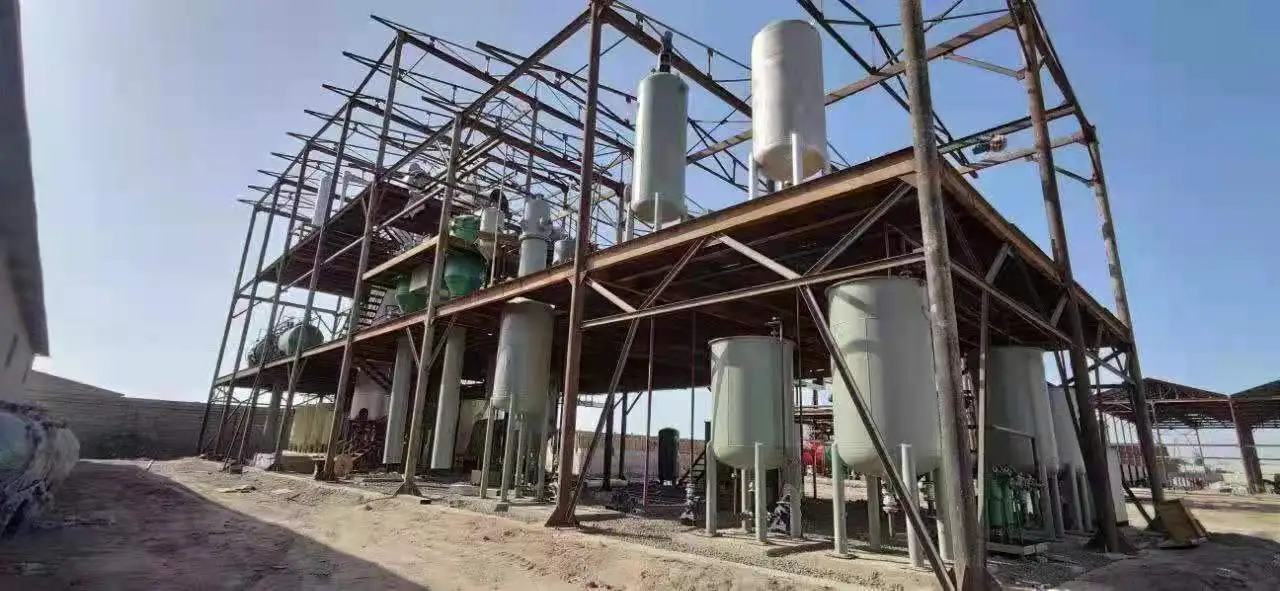
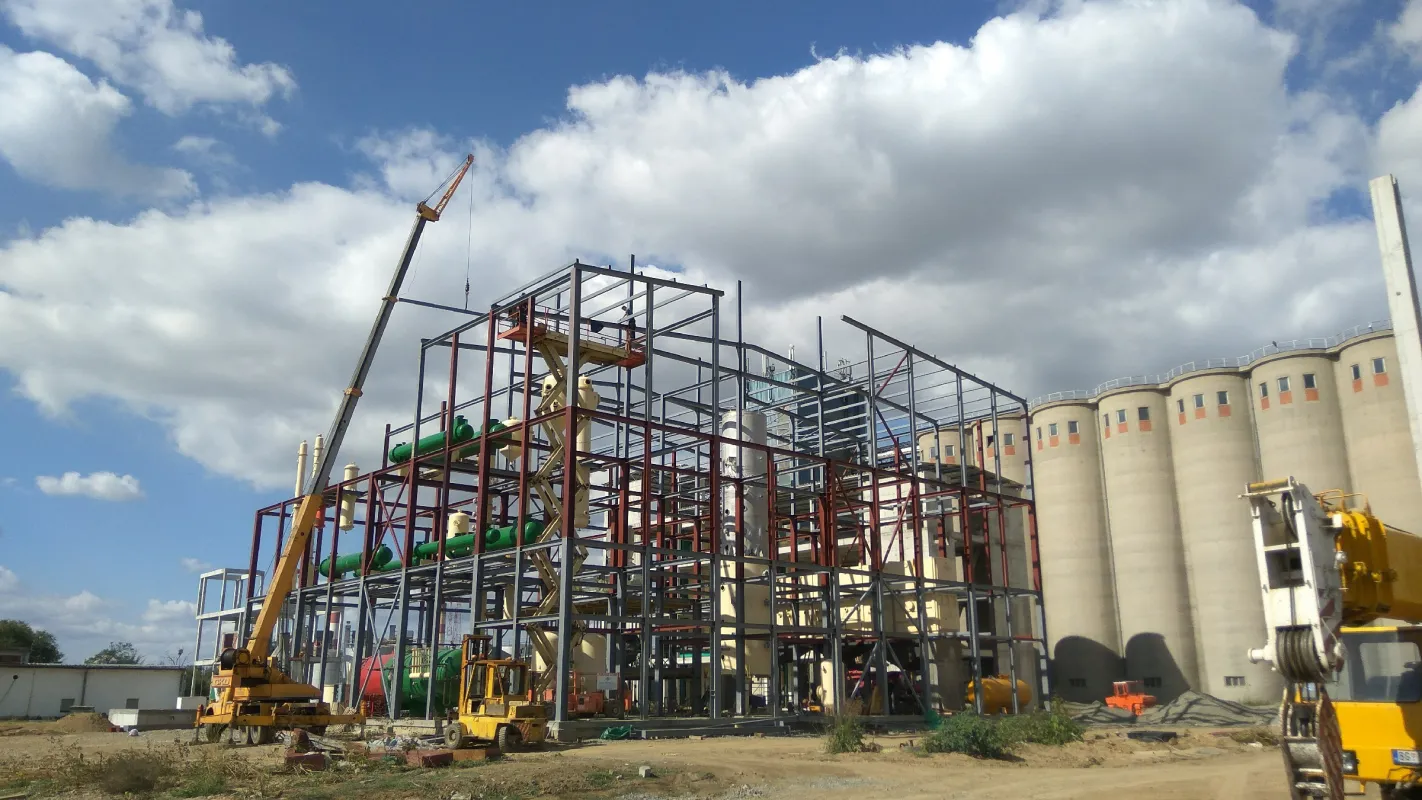
Overseas edible oil and grain-oil processing projects rarely succeed by “equipment-only” purchasing. In cross-border delivery, the real risks usually appear in the gaps between design assumptions, local site conditions, installation quality, commissioning discipline, and long-term service readiness. That is why many project owners, EPC teams, and professional buyers prioritize turnkey delivery (equipment + installation)—a delivery model that aims to connect machinery supply with on-site execution and start-up support.
Positioning note: Qi'e Grain and Oil Machinery Co., Ltd. (企鹅集团) is a B2B manufacturer focused on grain and oil machinery, including oil pressing equipment, oil production line equipment, and edible oil refining equipment, with support capabilities spanning design, installation, and technical service for overseas markets.
For edible oil projects, equipment performance depends heavily on the match between raw materials, process route, and local utilities. Turnkey delivery helps reduce mismatch by aligning design inputs early and verifying them during installation and commissioning.
For overseas edible oil processing lines, installation is not a “simple assembly.” It involves mechanical alignment, piping correctness, electrical integrity, control logic validation, and safe commissioning sequencing. A turnkey approach clarifies responsibilities and reduces handover ambiguity.
| Delivery focus | Common overseas risk | How turnkey delivery helps |
|---|---|---|
| Mechanical installation | Misalignment, vibration, premature wear | Standardized installation method, on-site verification and adjustments |
| Piping & interfaces | Wrong connections, leaks, incomplete insulation | Interface list control, inspection checkpoints, commissioning-ready handover |
| Electrical & control | Wiring errors, unstable automation behavior | I/O checks, interlock validation, controlled start-up sequence |
| Safety & compliance | Inconsistent site practices and unclear responsibilities | Defined roles, documented procedures, and traceable acceptance criteria |
In edible oil processing, commissioning is not only about “running the motors.” It is the disciplined step-by-step verification that the line can start safely, operate steadily, and reach intended operating parameters under local conditions. Turnkey delivery integrates commissioning with installation outcomes and reduces repeated troubleshooting.
Note: actual steps and acceptance criteria depend on the selected process (pressing, solvent extraction where applicable, refining, etc.) and the project scope.
Overseas projects often face operator turnover, language barriers, and differences in maintenance habits. A turnkey-minded supplier does not stop at delivery; they plan for training, operation guidance, and maintenance routines so the plant can operate consistently after start-up.
In cross-region operations, lead times for parts can be longer, and a small missing component can stop the entire line. Turnkey delivery encourages early spare-parts planning based on the installed configuration and realistic site conditions.
Because the supplier is accountable for installation and commissioning, the spare parts list can be aligned to the as-built configuration—reducing mismatch between “what was shipped” and “what is actually installed and running.”
Overseas projects typically involve multiple parties—owner team, EPC, civil contractor, installers, customs/logistics, and local authorities. Turnkey delivery reduces friction by centralizing technical accountability and clarifying interface management across time zones and regions.
A practical way to evaluate turnkey capability is to ask: “Who owns the interfaces—and who signs off that the line is commissioning-ready?”
Turnkey delivery may vary by project. For overseas edible oil processing lines, scope commonly covers the connection from equipment supply to start-up support, with responsibilities defined by contract and site reality.
With a product portfolio covering oil pressing equipment, oil production line equipment, and edible oil refining equipment, Qi'e Grain and Oil Machinery Co., Ltd. supports B2B customers in Asia, Africa, and South America by combining equipment supply with practical delivery considerations—installation and commissioning coordination, technical service support, and spare parts planning—so overseas projects can move from shipment to stable operation with fewer interface risks.
If you are evaluating a turnkey delivery model for an overseas edible oil processing project, prepare your expected raw material profile, utility conditions, and site schedule. A structured scope definition—equipment fit, installation & commissioning, technical service support, and spare parts planning—will help you compare suppliers on what matters most: predictable start-up and controllable long-term operation.