Home > News > Turnkey Grain & Oil Machinery Solutions: From Single Machines to Full Plant Delivery | Qi'e Grain and Oil Machinery Co., Ltd.

What Is a Turnkey Grain & Oil Machinery Solution? From Single Equipment to Full Plant Delivery

2026-05-26
Qi'e Grain and Oil Machinery Co., Ltd. explains what a turnkey grain & oil machinery solution is, how it differs from standalone oil pressing, extraction and refining machines, and how a complete production line works from pretreatment to pressing/extraction and refining—built for buyers evaluating full-plant delivery capability.
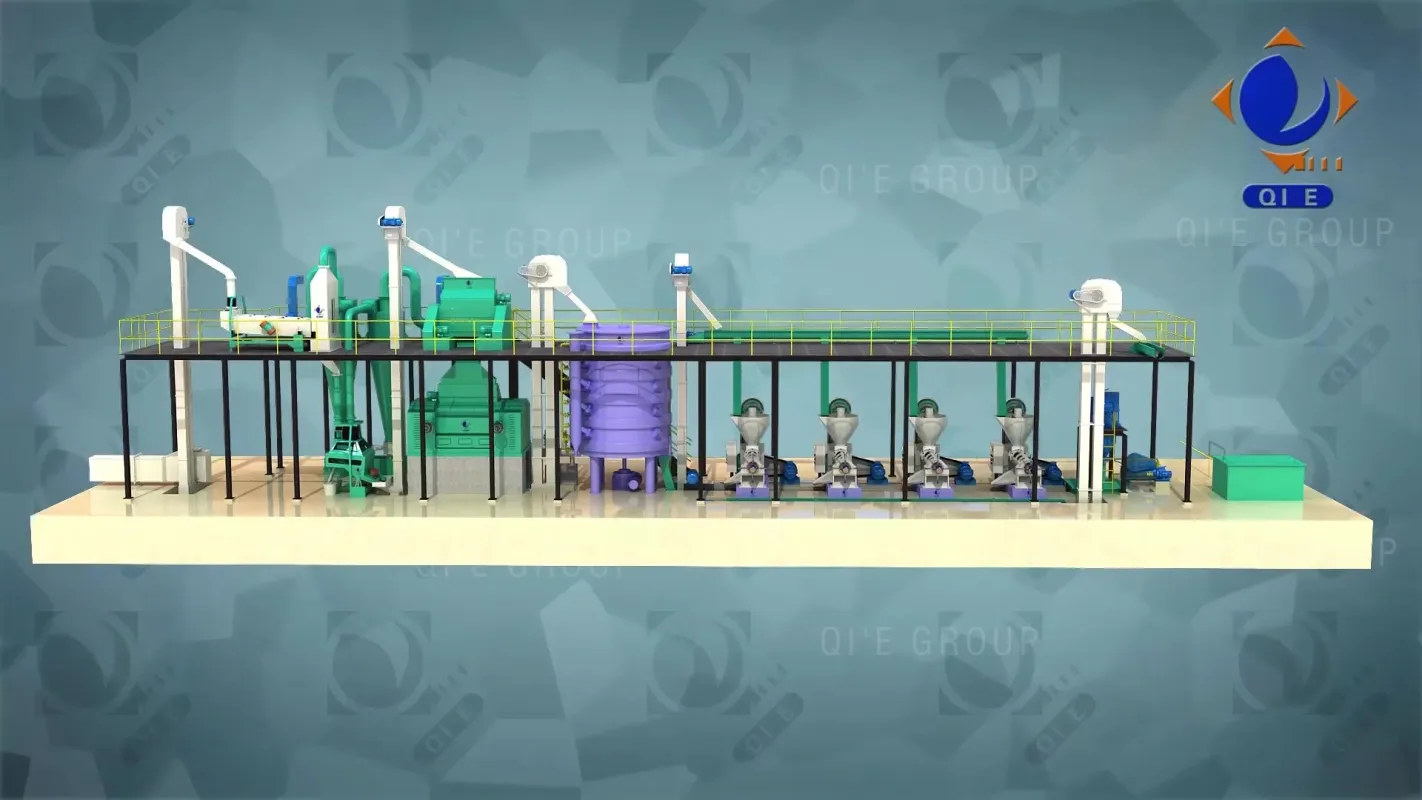
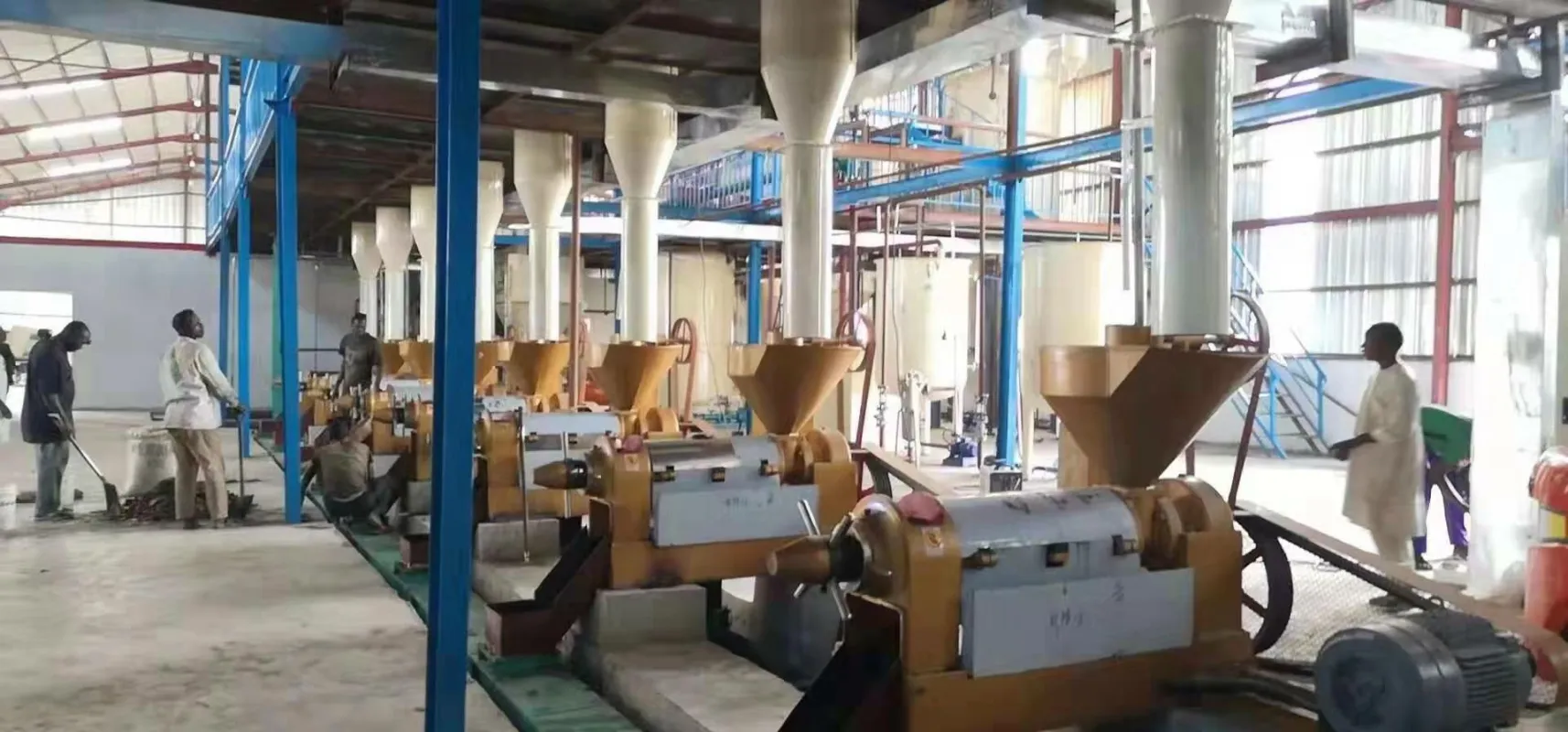
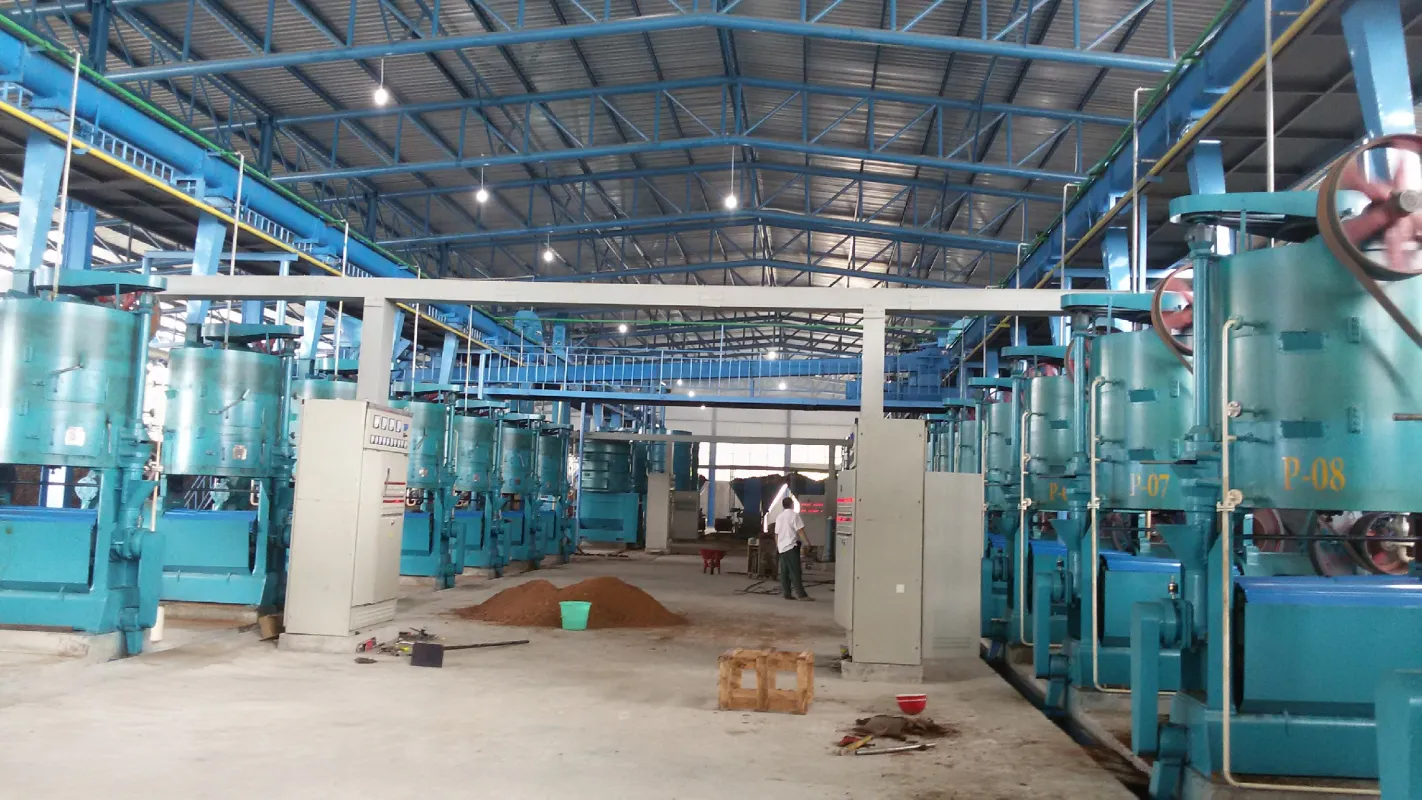
Turnkey grain and oil machinery solution showing an integrated line from pretreatment and pressing/extraction to edible oil refining

B2B buyers evaluating grain & oil processing projects often face a key decision: purchase standalone machines (pressing, extraction, refining) or choose a turnkey grain & oil machinery solution with full-plant delivery. This page explains what “turnkey” means in practice, how an integrated production line works from pretreatment → pressing/extraction → refining, and where a typical scenario—palm kernel oil production line equipment—fits into the end-to-end logic.

Provided by Qi'e Grain and Oil Machinery Co., Ltd. (企鹅集团) — a grain & oil machinery manufacturer focused on R&D, manufacturing, delivery, and service for oil pressing equipment, oil production line equipment, and edible oil refining equipment.

What a Turnkey Grain & Oil Machinery Solution Means

A turnkey grain & oil machinery solution is a delivery approach where one supplier provides an integrated set of equipment and a coherent process design for a complete plant section (or a full plant), rather than shipping isolated machines. The goal is to make the production line operate as a coordinated system—mechanically, electrically, and process-wise.

Turnkey delivery typically covers

  • Production line process mapping (pretreatment, pressing/extraction, refining)
  • Equipment selection across the line with matched capacities
  • Layout and interconnection planning (material flow, conveying, utilities interfaces)
  • Installation guidance and technical service for commissioning readiness

What turnkey is not

  • Not simply “more machines in one order”
  • Not a guarantee of output or profit (performance depends on raw material, operation, and utilities)
  • Not a one-size-fits-all design—capacity, materials, and dimensions must match your plant reality

Turnkey vs. Standalone Machines: Practical Differences for Buyers

Standalone oil pressing, extraction, or refining machines can be suitable for upgrades or small expansions. For full-plant projects, buyers often prefer turnkey delivery to reduce coordination complexity and improve line-level stability.

Evaluation point Standalone machines Turnkey solution
System coordination Buyer integrates capacities, interfaces, and line logic Supplier aligns capacities and process sequence as one system
Process continuity May require extra tuning to match upstream/downstream Designed around stable material flow across stages
Responsibility boundary Multiple suppliers; interface risk is higher More centralized delivery scope, clearer integration ownership
Scalability & customization Incremental changes possible, but can create mismatches Capacity/material/dimensions can be planned together for your scale

How a Complete Production Line Works: Pretreatment → Pressing/Extraction → Refining

While specific unit operations depend on the oilseed and product targets, a full plant delivery is commonly structured around three linked sections. Designing these sections as one line helps maintain steady operation and consistent handoff between steps.

1) Pretreatment

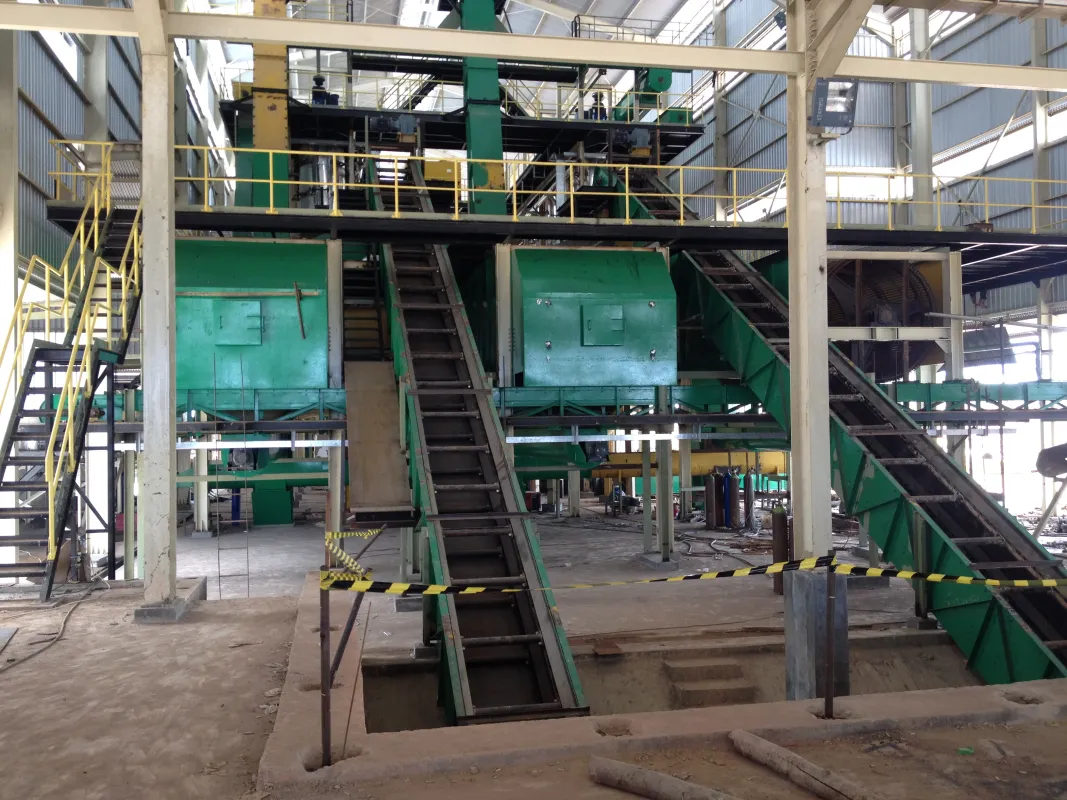
Prepares raw material for efficient oil recovery. In a turnkey approach, pretreatment is sized and configured to match downstream pressing/extraction capacity, supporting smoother flow and easier operation management.

2) Pressing / Extraction

The core oil-recovery stage. Depending on project requirements and feedstock characteristics, a line may emphasize mechanical pressing, solvent extraction, or a combined scheme. Integration focuses on efficiency, stable running, and manageable operation/maintenance interfaces.

3) Edible Oil Refining

Refining improves oil quality parameters for downstream use. In full-plant delivery, refining capacity and routing are planned with upstream output in mind, so the line can run with fewer bottlenecks and clearer operating targets.

For B2B procurement, the key is not only “what machine to buy,” but “how the production line behaves as a system” across material flow, utilities connection points, and matched capacities.

Reference Scenario: Palm Kernel Oil Production Line Equipment

Palm kernel oil production line equipment is a representative oil production line scenario for buyers in regions with strong oil palm cultivation. As an integrated line, it is designed for efficient palm kernel oil extraction with an emphasis on coordinated process flow and adaptable configuration.

Key equipment characteristics (as provided)

  • Uses advanced oil extraction technology to support high extraction efficiency and low residual oil rate, helping improve overall product quality.
  • Offers multiple specifications from small to large scale; capacity, material selection, and dimensions can be customized to align with different production requirements.
  • Focuses on cost-effectiveness and durable, practical design—aiming to support sustainable operations without unnecessary complexity.
  • Designed for easy operation and maintenance, which can reduce operating burden and labor dependency in day-to-day running.

Typical application fit: businesses planning to optimize palm kernel processing workflow and prefer a line-level approach instead of piecemeal equipment procurement.

Integration value in this scenario: aligning pretreatment readiness, extraction throughput, and refining acceptance capacity helps reduce avoidable stoppages caused by upstream/downstream mismatch.

Customization focus: selecting the right specification and defining materials/dimensions around site conditions and expected scale, rather than forcing a fixed template.

How Qi'e Supports Full-Plant Delivery Evaluation

Qi'e Grain and Oil Machinery Co., Ltd. supports buyers who are comparing standalone machines with full plant oil production line delivery. Our scope centers on oil pressing equipment, oil production line equipment, and edible oil refining line solutions—organized with a system mindset for stable operation.

What we clarify early

  • Your target product scope (crude oil vs refined edible oil)
  • Preferred process path (pressing / extraction / combination)
  • Required scale range and how it impacts line configuration
  • Customization boundaries (capacity, materials, dimensions)

What buyers can expect from a line approach

  • Clearer handoffs between line sections and fewer interface surprises
  • More consistent capacity matching across pretreatment, extraction, and refining
  • Easier maintenance planning due to coherent system design
  • A practical foundation for stable, efficient day-to-day operation

For procurement teams: a simple checklist

  • Is the solution described as an end-to-end line (pretreatment → pressing/extraction → refining), not isolated equipment?
  • Are capacities matched across sections to avoid upstream/downstream bottlenecks?
  • Can key parameters be customized to your site and production scale?
  • Are operation and maintenance considerations addressed in the design?

If you are assessing a turnkey grain & oil machinery solution for a full plant—especially for a palm kernel oil production line—Qi'e Grain and Oil Machinery Co., Ltd. can support structured evaluation and coherent line planning, from pretreatment through extraction and refining, with customization aligned to your intended scale and operating needs.

Name *
Email *
Message*
Recommended Products