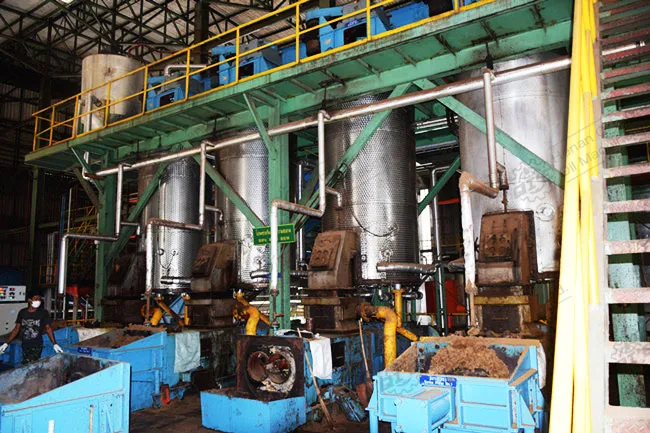
Grain & Oil Machinery Equipment Types: Oil Pressing, Production Lines, and Edible Oil Refining
Qi'e Grain and Oil Machinery Co., Ltd. explains the main types of grain & oil machinery equipment, covering oil pressing equipment, edible oil production line equipment, and edible oil refining systems—helping B2B buyers build a clear baseline for planning or upgrading an oil processing project.
As a B2B manufacturer of grain & oil machinery, Qi'e Grain and Oil Machinery Co., Ltd. (企鹅集团) supports edible oil projects with a clear equipment framework—from oil pressing equipment to edible oil production line equipment and edible oil refining equipment.
This page explains what each equipment type does across the typical process flow extraction → refining → packaging, the feedstocks and use cases they fit, and practical criteria for selecting a configuration and scale. For buyers planning a turnkey line, we also reference a representative solution: a fully automatic rapeseed oil production line.
Quick baseline (B2B)
- Pressing: mechanical extraction for oilseeds
- Production line: integrated extraction + material handling + controls
- Refining: improves color, odor, stability, and safety indicators
- Packaging: bottling / filling aligned with project needs
1) Grain & oil machinery equipment types—what they do
In edible oil processing projects, equipment is usually grouped by function. Understanding these types helps B2B buyers define scope, avoid under/over-configuration, and plan CAPEX and OPEX with a consistent baseline.
A. Oil pressing equipment (extraction)
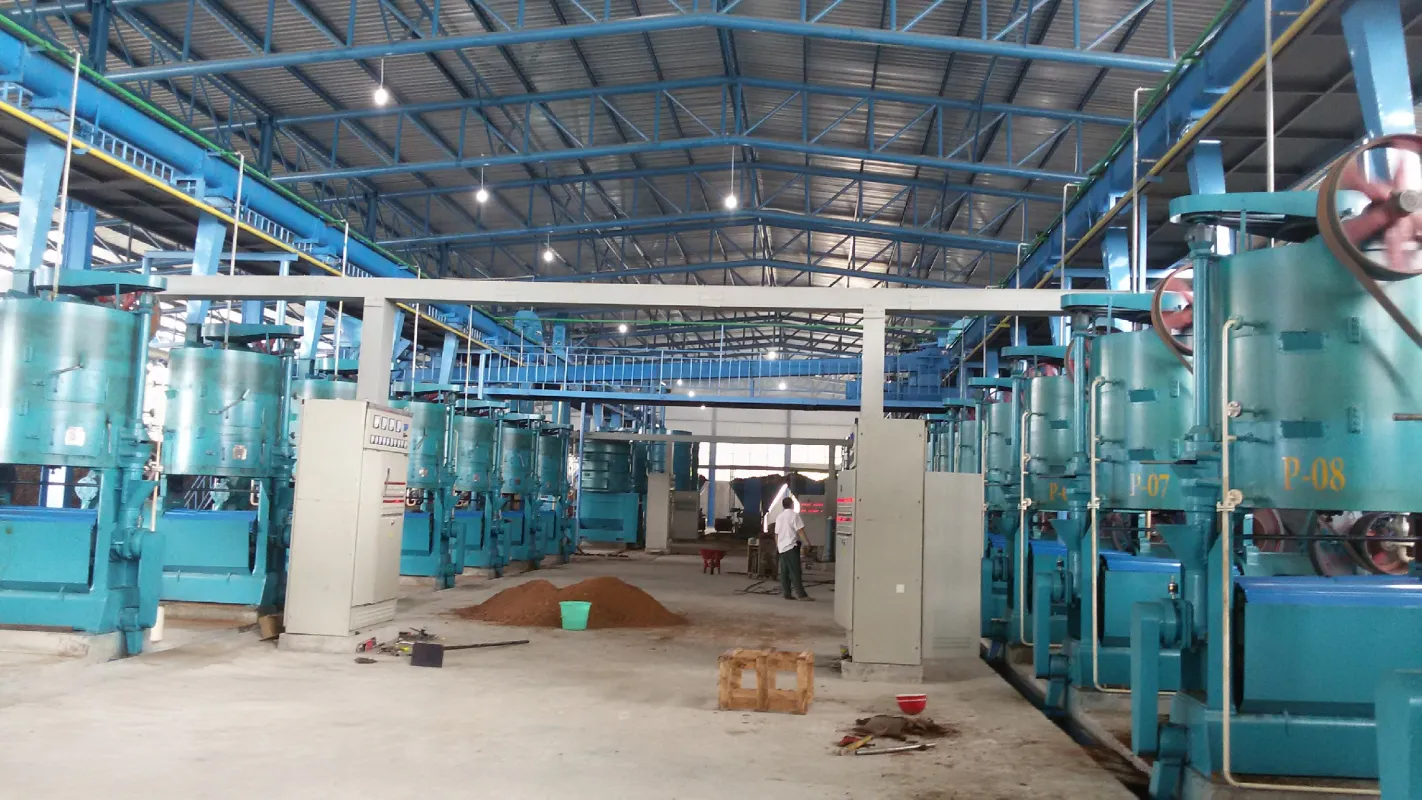
Oil pressing equipment refers to mechanical extraction machines used to obtain crude oil from oilseeds. It is commonly applied where robust, straightforward operation and stable output are priorities.
- Role in process: converts prepared oilseed material into crude oil + press cake.
- Typical use cases: standalone extraction, or as a section within a full production line.
- Decision anchors: target capacity, automation needs, energy strategy, and downstream refining requirements.
B. Edible oil production line equipment (integrated line)
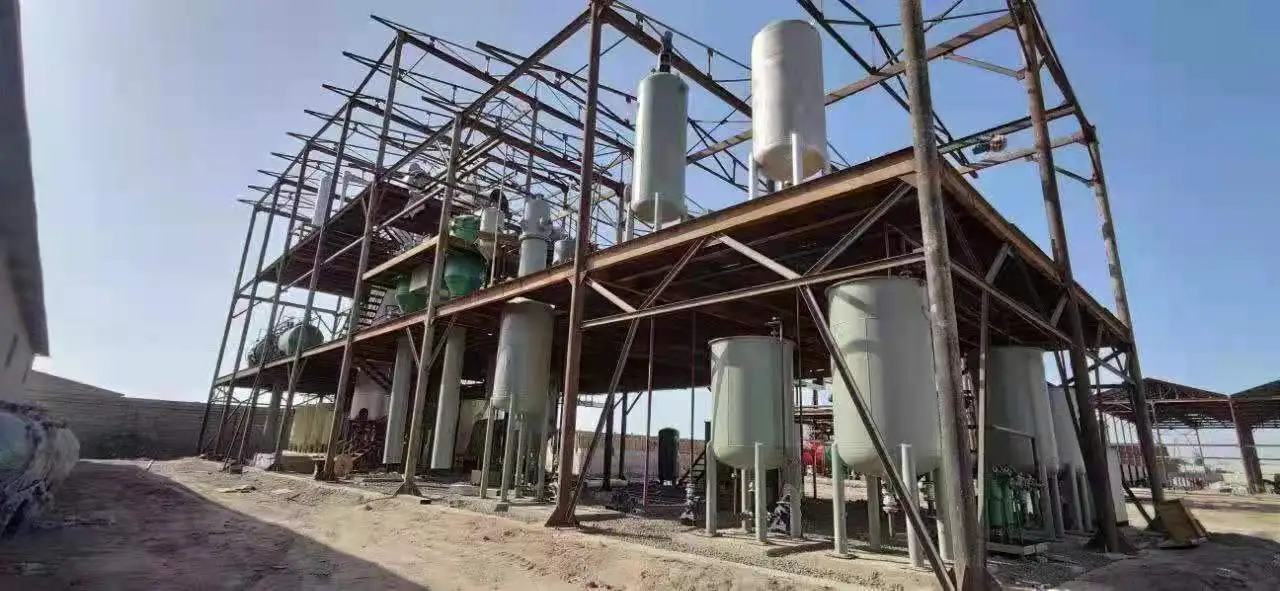
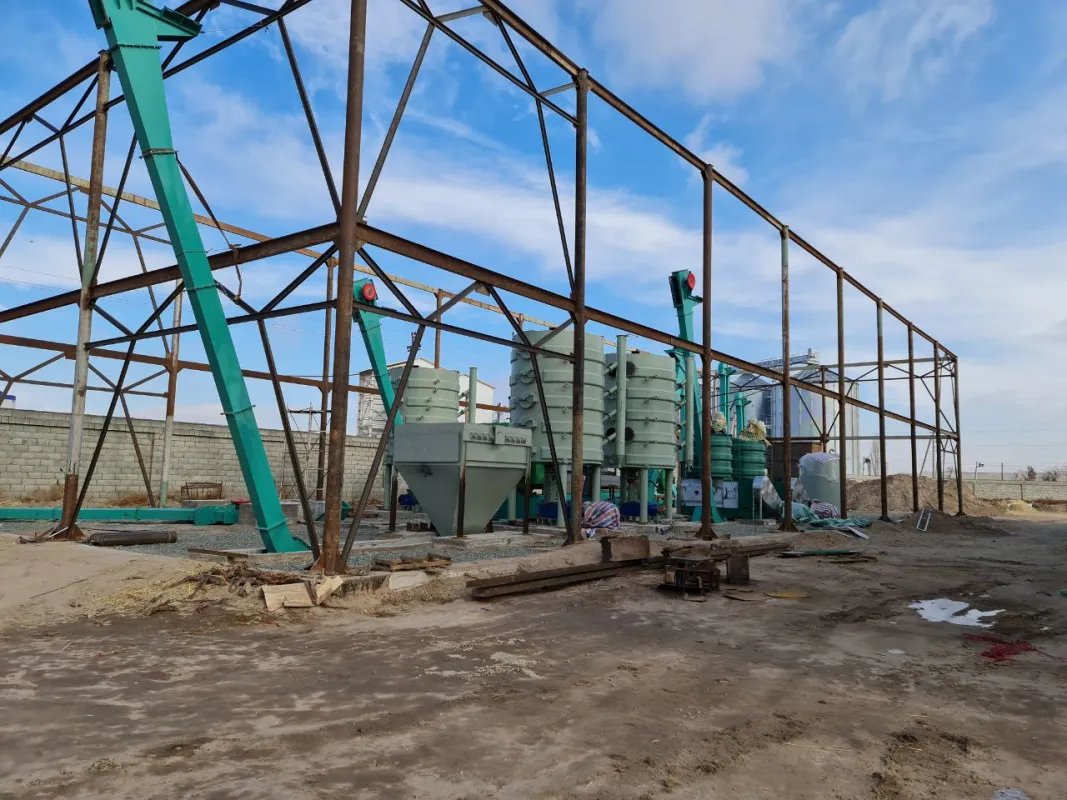
Edible oil production line equipment is an integrated system designed to streamline extraction-related operations by combining equipment sections, conveyors, and a control system into one coordinated workflow.
- Role in process: organizes extraction into a stable, repeatable industrial flow for B2B operation.
- Why it matters: a line approach improves coordination, reduces manual handoffs, and supports consistent operating standards.
- Common expansions: integration with refining and packaging to form a turnkey project scope.
C. Edible oil refining equipment (quality & stability)
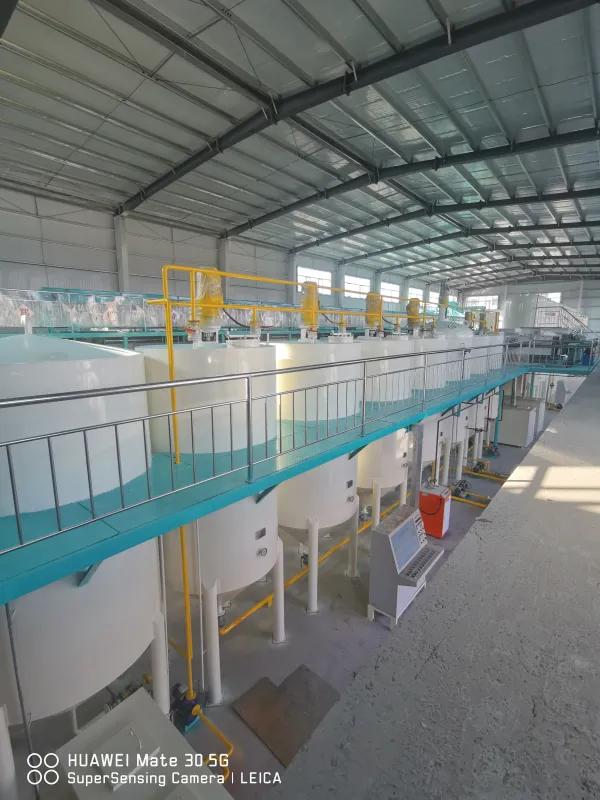
Edible oil refining equipment is used to improve the properties of crude oil—supporting better appearance, odor, storage stability, and alignment with applicable safety and hygiene expectations for edible oil products. For reference, see our edible oil refining equipment.
- Role in process: conditions crude oil for downstream packaging and distribution.
- When it’s essential: whenever stable, consumer-ready oil characteristics are required.
- Planning anchor: match refining scope to the crude oil properties, target market positioning, and packaging format.
2) Process map: extraction → refining → packaging (how modules connect)
A practical way to evaluate machinery is to map each equipment type to a defined process stage. This reduces ambiguity in RFQs and makes it easier to compare suppliers.
| Process stage |
Equipment type |
Primary objective |
Typical B2B planning notes |
| Extraction |
Oil pressing equipment / integrated extraction line |
Convert oilseeds to crude oil efficiently and consistently |
Capacity, automation, energy utilization, maintainability |
| Refining |
Edible oil refining equipment |
Improve oil properties for storage and market requirements |
Match refining scope to crude oil characteristics and product positioning |
| Packaging |
Filling / bottling & related handling (project option) |
Prepare oil for distribution in the required format |
Container type, hygiene standards, and line integration considerations |
3) Turnkey reference: fully automatic rapeseed oil production line
For buyers seeking a complete baseline aligned to the “production line” category, Qi'e Grain and Oil Machinery Co., Ltd. provides a Fully Automatic Rapeseed Oil Production Line designed for B2B operations that require streamlined workflows and consistent results.
- Scope: integrated equipment for cold pressing and solvent extraction, with a modern control system to support straightforward operation.
- Quality orientation: designed to support efficient production while helping preserve the oil’s nutritional value throughout processing (project-specific outcomes depend on configuration and operating conditions).
- Compliance mindset: built with attention to safety, hygiene, and environmental considerations, aligned with international expectations for industrial equipment.
- Lifecycle focus: robust structure, stable operation, and a maintainability-first design approach to support long-term running.
Advantages (as configured)
- High efficiency: automatic control simplifies operation flow.
- Lower energy consumption: optimized energy utilization design.
- Reliable build: durable materials and stable manufacturing processes.
- Safety & environmental: designed to meet relevant safety and environmental requirements.
- Customization: configuration and layout can be tailored to project needs.
- Technical support: installation guidance, commissioning, training, and after-sales support.
4) How to evaluate configuration and scale (buyer checklist)
When comparing grain & oil machinery equipment, define your project baseline first, then validate the line’s fit. Below is a practical checklist used in B2B planning and upgrades.
- Feedstock & target product: confirm rapeseed (or other oilseeds), crude vs refined oil requirement, and packaging format.
- Process route selection: align equipment to pressing, cold pressing, solvent extraction, and/or integrated routes based on operational strategy.
- Automation & controls: specify “fully automatic” expectations—control architecture, alarms, operator workflow, and hygiene management.
- Energy & operating costs: review energy utilization design, utilities access, and maintainability requirements.
- Safety & environmental requirements: ensure the system aligns with your site’s safety rules and applicable environmental constraints.
- Customization & layout: validate footprint, material flow, and future expansion paths before finalizing a layout.
- Service scope: confirm installation guidance, commissioning, training, and after-sales support responsibilities.
Tip for RFQs: describe your project using the same structure—
extraction (pressing/line) → refining → packaging. This makes supplier proposals easier to compare and reduces scope gaps.
5) About Qi'e Grain and Oil Machinery Co., Ltd.
Qi'e Grain and Oil Machinery Co., Ltd. (企鹅集团) focuses on R&D, manufacturing, sales, and service for grain & oil processing machinery—covering oil pressing equipment, edible oil production line equipment, and edible oil refining systems. We serve B2B buyers across Asia, Africa, and South America, supporting projects with engineering-oriented communication and long-term service.
If you are planning or upgrading a rapeseed oil project, we can help you clarify the equipment scope, propose a configurable baseline, and align line design with your site conditions and operational goals.