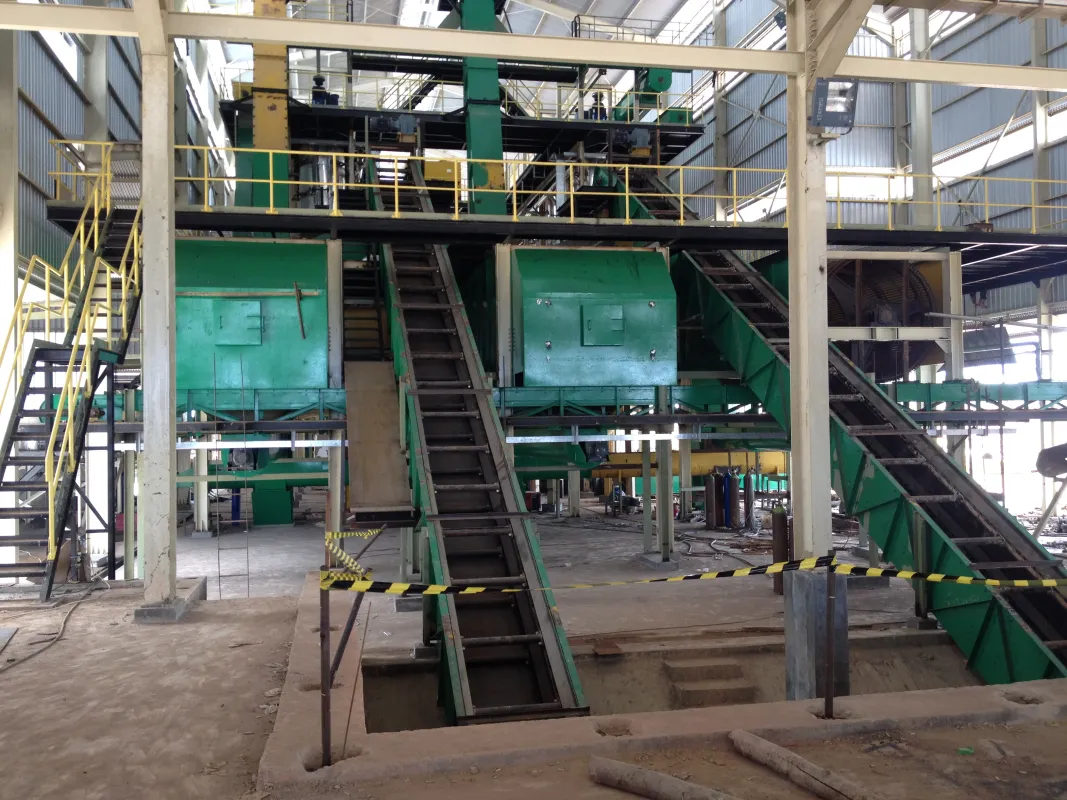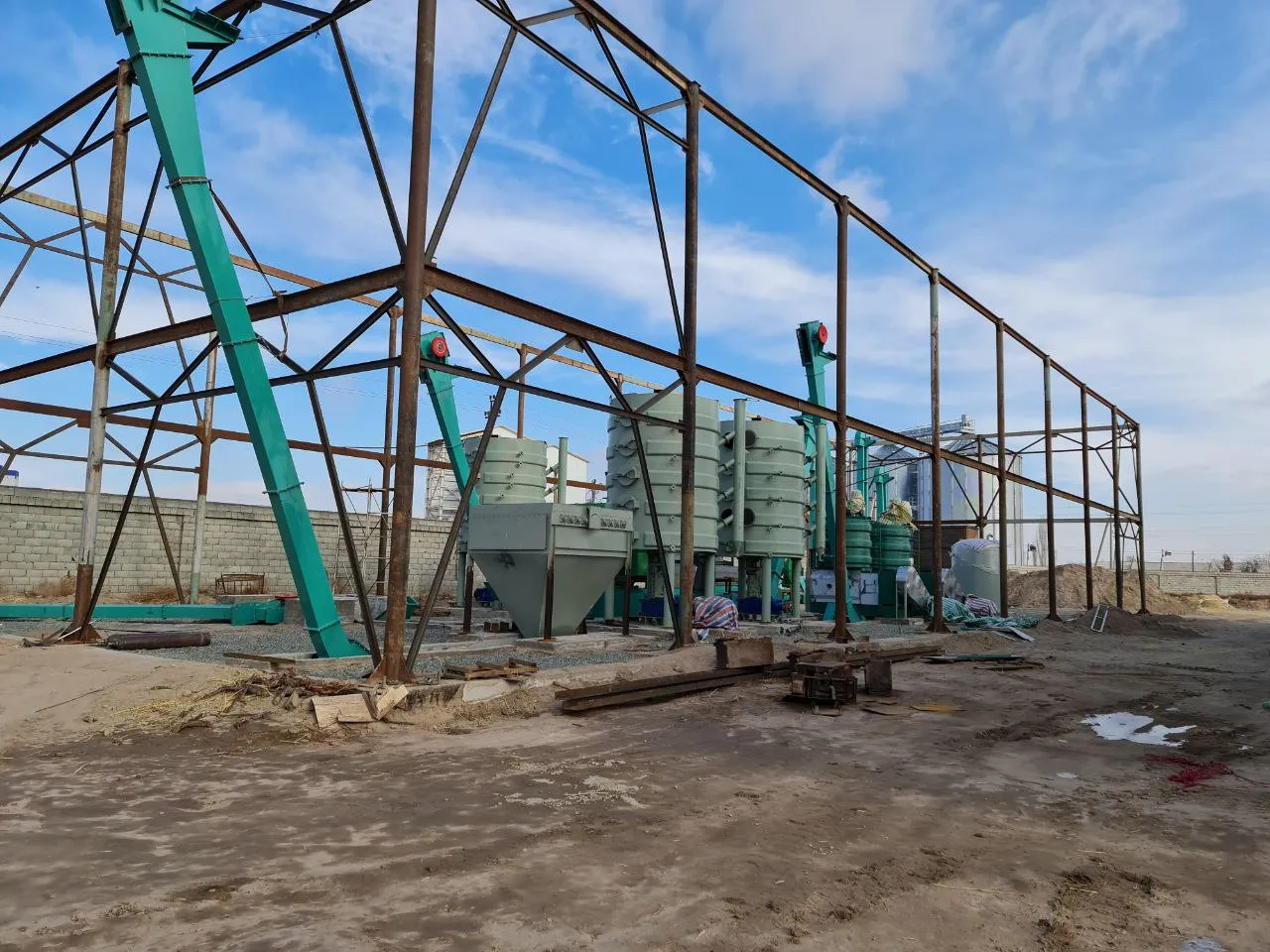
For food manufacturers targeting premium functional oils, preserving vitamin E during corn germ oil refining isn’t optional—it’s a competitive necessity. Studies show that up to 40–60% of natural tocopherols (vitamin E) can be lost if process parameters like temperature and vacuum are not precisely controlled. This article breaks down the three critical phases—pre-treatment, pressing, and refining—with actionable controls based on real-world data from leading edible oil facilities.
At this stage, maintaining oil quality begins with optimal moisture content (below 5%) and minimal free fatty acid levels (< 0.5%). High temperatures (>60°C) during dehulling or drying accelerate oxidation. Industry benchmarks suggest using modular steam-heated dryers set at 45–55°C for 30–45 minutes. These settings reduce thermal degradation while improving yield by ~8%. For automated lines, integrating inline moisture sensors ensures consistent input quality—a key factor in downstream vitamin E stability.
Traditional hot pressing often sacrifices nutritional value for throughput. In contrast, cold pressing at 35–40°C under 0.08 MPa vacuum retains over 75% of total tocopherols. According to ISO 15287 standards, such conditions prevent enzymatic breakdown and preserve the oil’s natural antioxidant profile. Modular press systems allow easy calibration across batches—critical for small- to mid-scale producers aiming for consistency without heavy capital investment.
This is where many operations fail. Overuse of chemical bleaching agents or excessive alkali treatment destroys vitamin E. Instead, adopt a two-step approach: first, use activated carbon filtration at 50–60°C to remove pigments without affecting tocopherols. Then, apply a low-dose synthetic antioxidant (e.g., TBHQ at 10–15 ppm) only after degumming—not before—to boost shelf life without compromising health claims.
Key Data Points:
Even experienced teams make errors. Here's a quick-reference checklist used by top-tier refineries:
| Issue | Likely Cause | Fix |
|---|---|---|
| Low tocopherol content post-refine | Premature antioxidant addition | Add after degumming, not before |
| Oil rancidity within 3 months | Inadequate vacuum during refining | Check pump efficiency; target 0.08 MPa |
Download our full “Vitamin E Preservation Protocol” manual—complete with SOPs, flowcharts, and equipment specs tailored for modern refineries. Or schedule a free technical consultation with our R&D team to assess your current setup and recommend upgrades.
Get the Full Process Control Manual Now