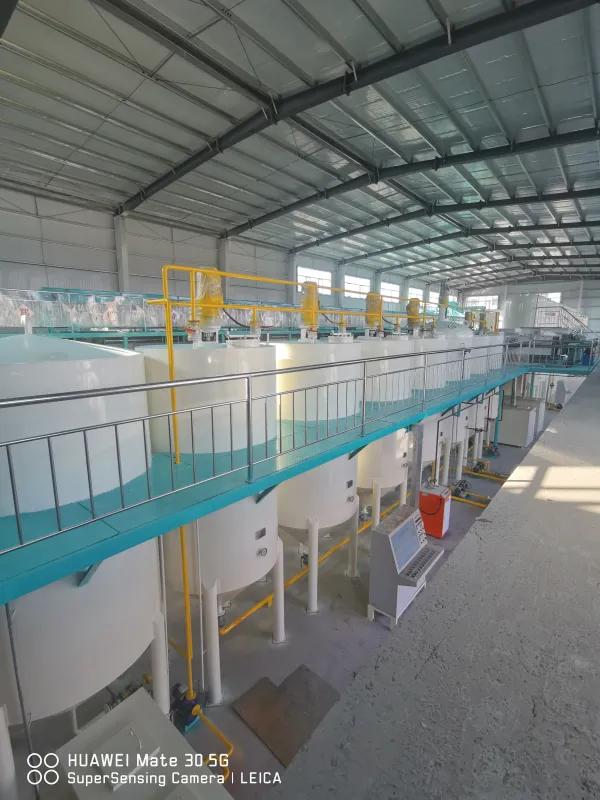
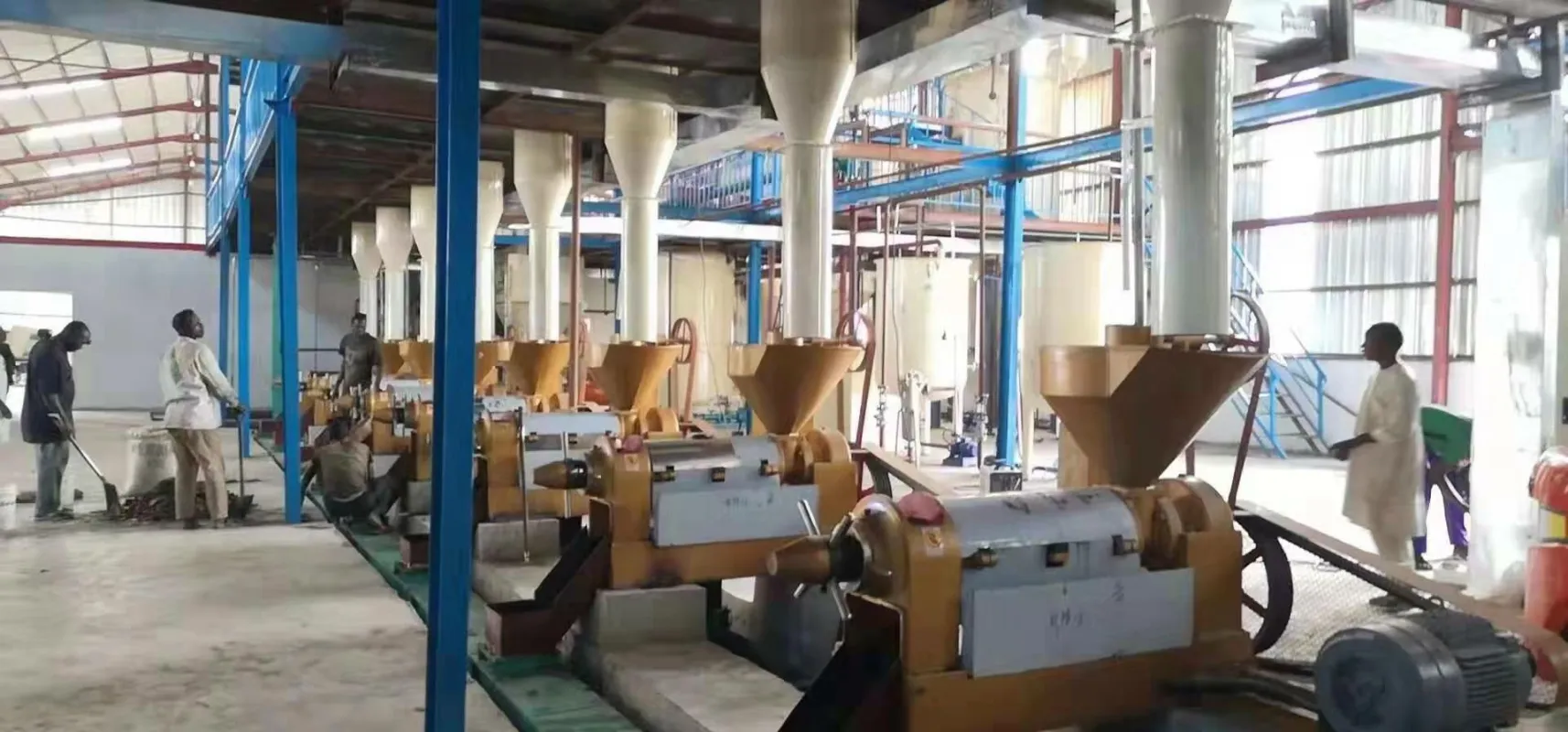
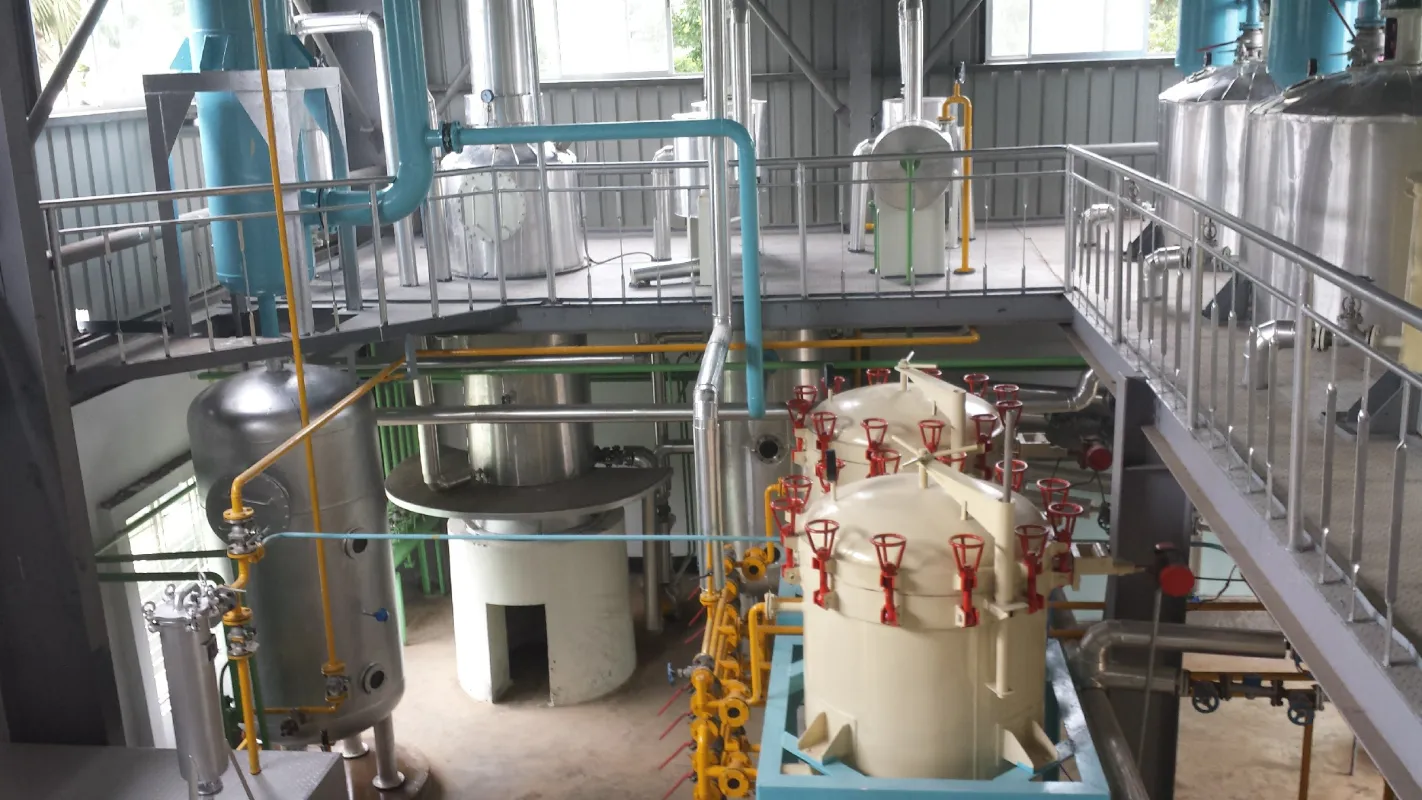
Grain & oil processing machines refer to a coordinated equipment system used to convert oil-bearing materials (such as soybeans, sunflower seeds, palm fruit/palm kernel and other vegetable oil materials) into crude oil and then into edible refined oil. Instead of one standalone machine, the industry typically operates as a workflow: raw material preparation → oil extraction (pressing / solvent extraction) → oil refining → storage & packaging interfaces.
This page explains the definition, scope, and handoff points across the complete grain & oil processing workflow. It is designed for buyers, project planners, and processors who want a clear system view before selecting a solution. (No pricing, quotations, or single-machine parameter comparisons.)
Brand context
Qi'e Grain and Oil Machinery Co., Ltd. (Penguin Group) focuses on R&D, manufacturing, sales, and service for grain & oil machinery—covering oil pressing equipment, oil production line equipment, and edible oil refining equipment. We provide complete solution support including design, installation coordination, and technical service.
How to use this guide
Included: equipment used across preparation, oil extraction (pressing or solvent), oil clarification/filtration steps tied to extraction, and edible oil refining sections (such as neutralization/degumming/bleaching/deodorization depending on process design), plus required conveying and interface systems.
Not included on this page: price/quotation guidance, brand-to-brand parameter comparisons for a single machine, or promises of specific yields/quality outcomes (as these depend on raw materials, process choice, and operation).
A complete grain & oil processing line is typically planned in modules. Each module has a clear input/output so you can connect them as one workflow.
Preparation is where many projects win or lose on operational stability. The goal is to deliver a consistent feed to the extraction section—reducing impurities, controlling material form, and aligning moisture/temperature conditioning to the chosen process.
Oil pressing equipment performs mechanical oil extraction. In a complete system, pressing does not stand alone—it needs upstream preparation and downstream oil clarification/filtration and storage interfaces, plus a defined route for press cake.
Inputs
Prepared oil-bearing material (cleaned/conditioned), stable feed rate.
Outputs
Crude oil (to settling/filtration → refining) and press cake/meal (to handling or further processing).
Key handoff points
Oil clarification, buffer tanks, pumps/piping, and safety/control interfaces.
“Oil production line equipment” emphasizes system integration: arranging preparation, extraction, oil handling, and control into a continuous workflow. This is particularly important in B2B projects where capacity planning, plant layout, utilities, and operational continuity matter as much as the extractor itself.
Edible oil refining equipment is the downstream system that processes crude oil to meet edible application requirements. Refining design is selected according to oil type, target specifications, and compliance needs—while keeping the overall plant workflow consistent and controllable.
Why refining matters
Improves clarity, stability, and sensory profile by reducing impurities and undesirable components depending on the chosen process route.
Critical interfaces
Crude oil quality consistency, filtration/degumming pretreatments (as designed), utilities, and by-product/effluent collection planning.
Downstream connections
Refined oil storage tanks, packaging interfaces, and quality control checkpoints.
Before selecting equipment, it helps to define project boundaries and the “handoff” responsibilities between sections. This reduces redesign, scope gaps, and commissioning delays.
As a B2B manufacturer and solution provider in grain & oil machinery, Qi'e Grain and Oil Machinery Co., Ltd. supports customers by aligning oil pressing equipment, oil production line equipment, and edible oil refining equipment into a coherent workflow—so each section has clear inputs, outputs, and responsibilities.
System planning mindset
We focus on the full line logic—how material prep, extraction, and refining connect—rather than isolated equipment selection.
Engineering coordination
Design alignment, installation coordination, and technical service to help projects move from plan to operation smoothly.
Applicable markets
Projects serving buyers and processors across Asia, Africa, and South America with line-level equipment needs.
If you are planning a new plant or upgrading an existing line, it’s usually most efficient to start from the complete equipment system—then confirm each module’s handoff points—before narrowing down specific machine models.