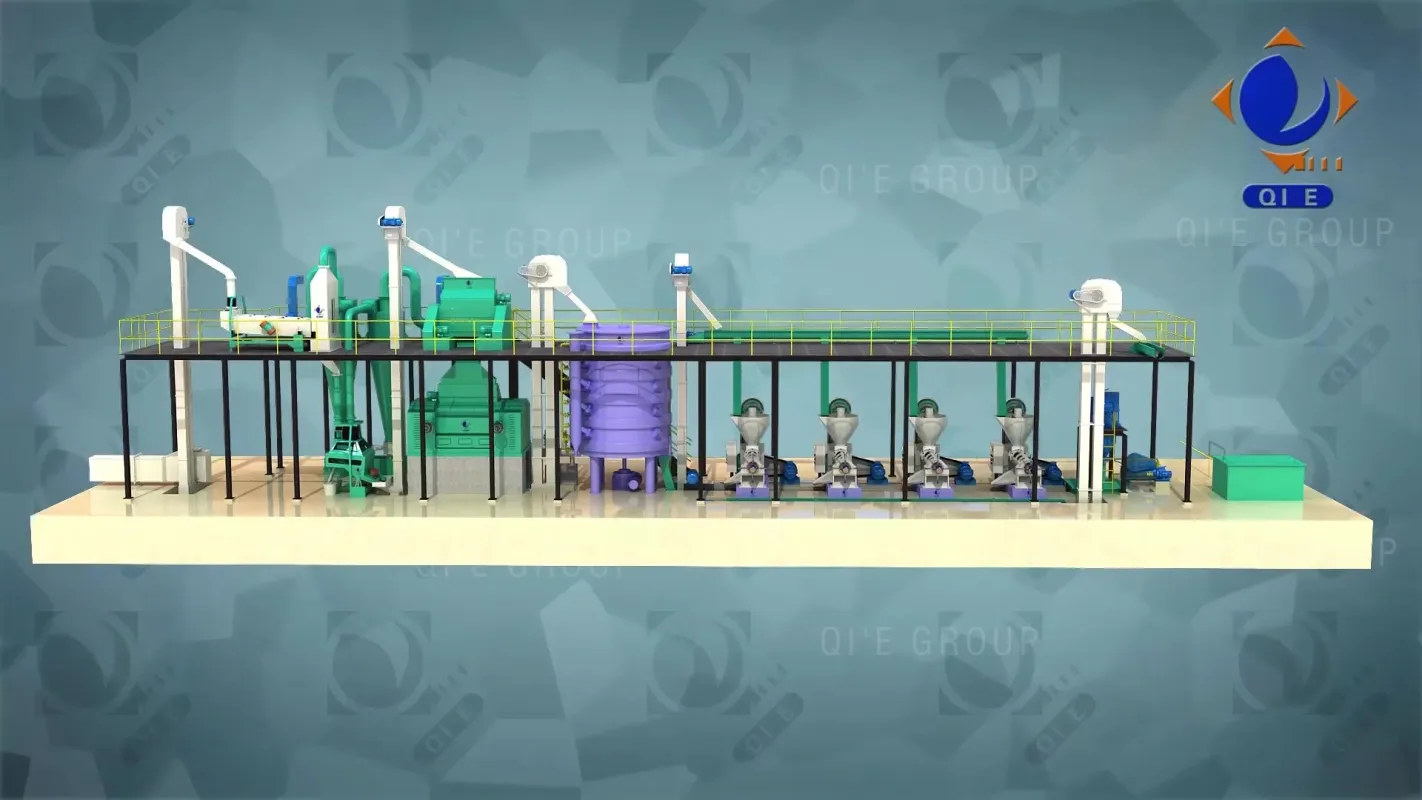
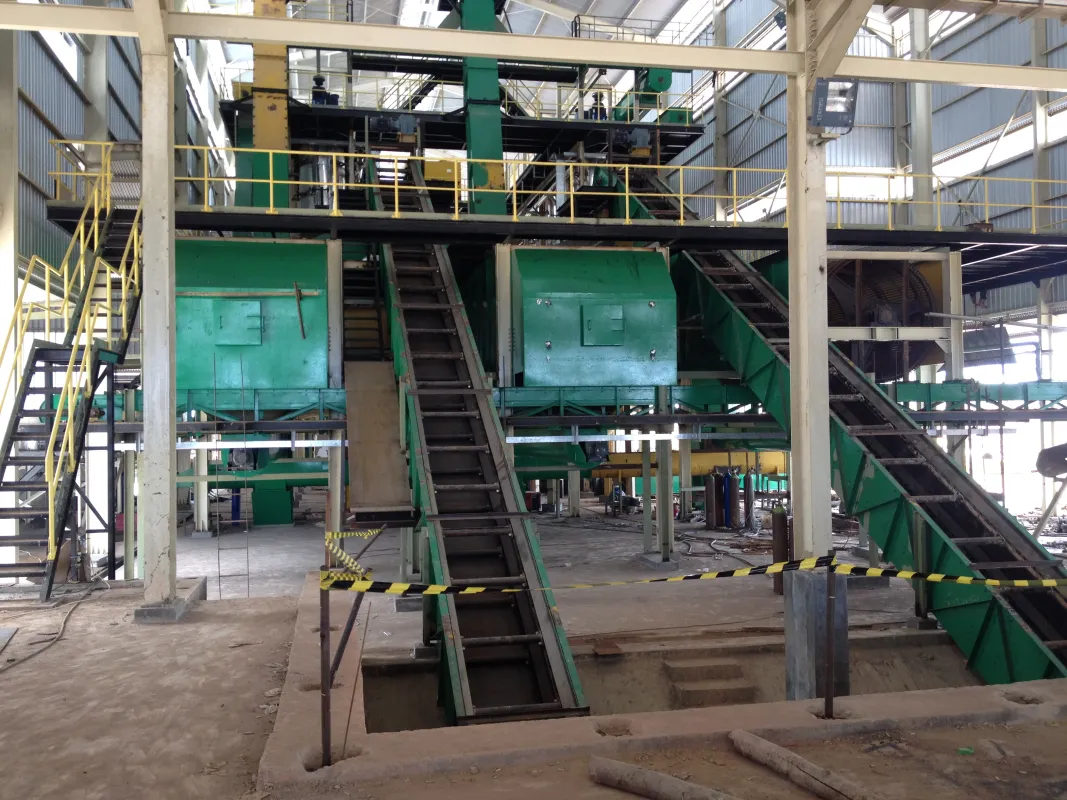
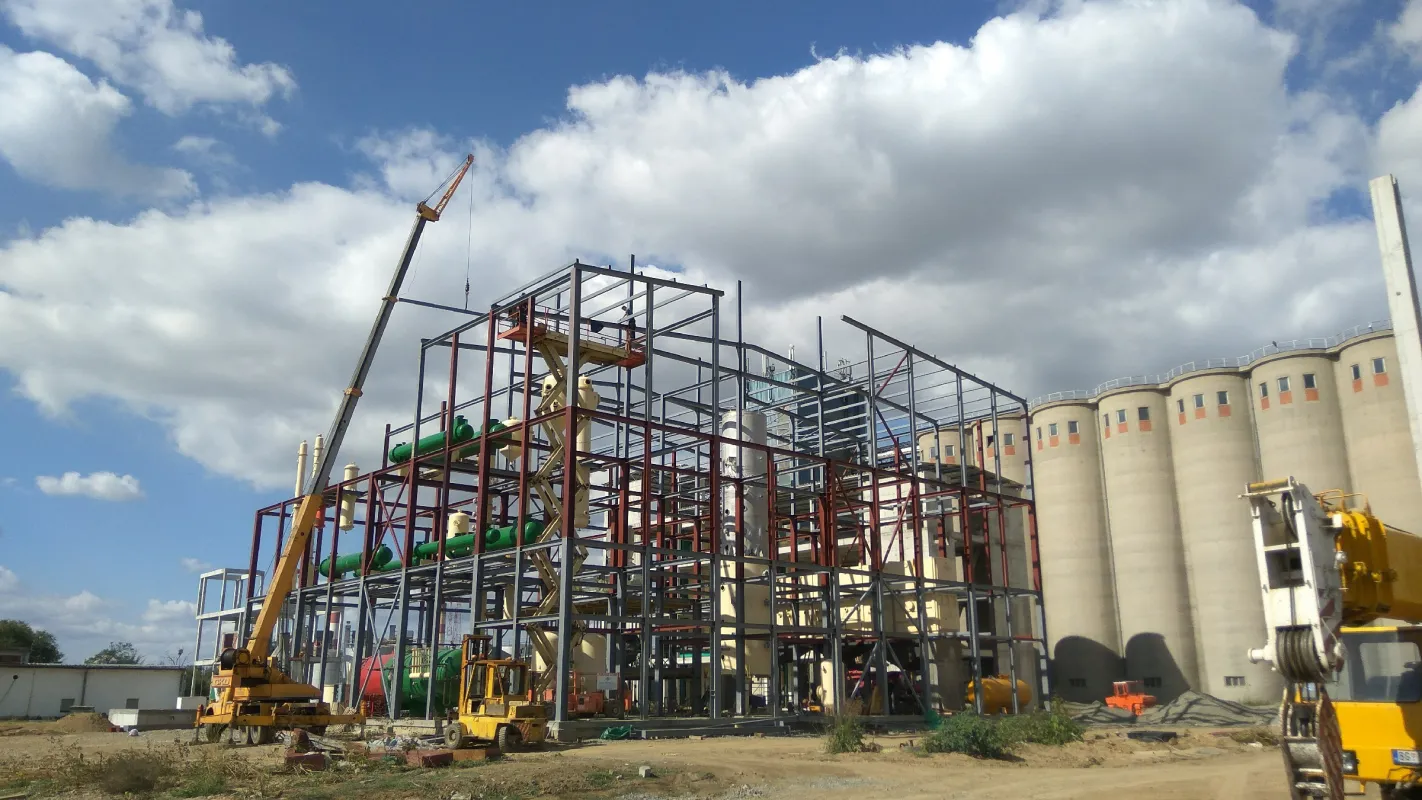
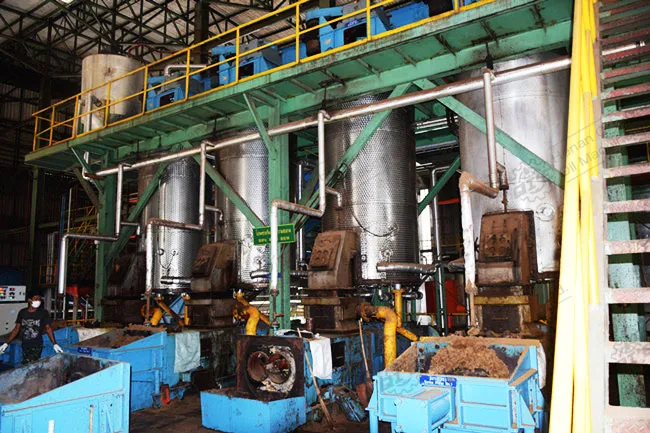
Grain & oil processing equipment is a family of machines that work together to convert oilseeds (and related agricultural raw materials) into crude oil and then into market-ready edible oil. For B2B buyers, the challenge is not only understanding each machine, but also how oil pressing machinery, oil production line equipment, vegetable oil solvent extraction equipment, and edible oil refining equipment connect across a complete workflow.
Qi'e Grain and Oil Machinery Co., Ltd. designs and supplies grain & oil processing equipment covering the key categories above, supporting project planning from raw material pretreatment → oil production → refining, with engineering-oriented guidance for defining functional boundaries and selecting the right configuration.
In practice, grain & oil processing equipment can be grouped by function. Each category solves a specific processing objective and typically corresponds to a stage in the overall line.
Mechanical pressing equipment extracts oil from prepared oilseed material by applying pressure. It is commonly used as a stand-alone solution for smaller throughput or as the front-end of a larger production line to reduce oil content before downstream steps.
“Production line equipment” refers to the coordinated set of machines that implement the full production logic—material handling, pretreatment, oil extraction (pressing and/or extraction), and intermediate storage/transfer—so the plant runs as a system rather than isolated machines.
Solvent extraction equipment is designed to recover remaining oil from oilseed material after pretreatment or pre-pressing. It is often selected for higher recovery targets and larger-scale operations where a complete system approach is required.
Refining equipment processes crude oil into edible oil by removing impurities and improving stability, appearance, and usability. Refining scope can vary by product requirements and local standards, so defining the refining boundary is a key part of project planning.
A complete grain & oil processing line is typically designed around a clear workflow. The exact configuration depends on raw material characteristics, capacity planning, product targets, and site constraints.
Planning tip: Start by defining your required workflow boundary—press-only, extraction + refining, or a complete line. Clear boundaries make equipment selection and layout planning more efficient.
Engineering tip: Treat the line as a system (material flow + process flow). Good integration typically improves operability and reduces mismatches between upstream and downstream machines.
When comparing grain & oil processing equipment suppliers or defining a project scope, focus on decision factors that directly influence feasibility, integration, and long-term operation.
Grain & oil processing projects are often defined by functional boundary. Below are common scope patterns used in project planning and procurement discussions.
Qi'e Grain and Oil Machinery Co., Ltd. (企鹅集团) focuses on R&D, manufacturing, sales, and service for grain & oil machinery, including oil pressing equipment, oil production line equipment, and oil refining equipment. We work with B2B customers across regions such as Asia, Africa, and South America, providing not only equipment supply but also project-oriented support such as design, installation guidance, and technical service—so you can plan and implement a workable processing line with clear functional boundaries.
By mapping your workflow from pretreatment to oil production and refining, you can compare equipment options on a like-for-like basis—and build a grain & oil processing line that is engineered for integration, operation, and long-term maintenance.